The Rhythmic Charm of Calligraphy: A Font for Artisan Brands
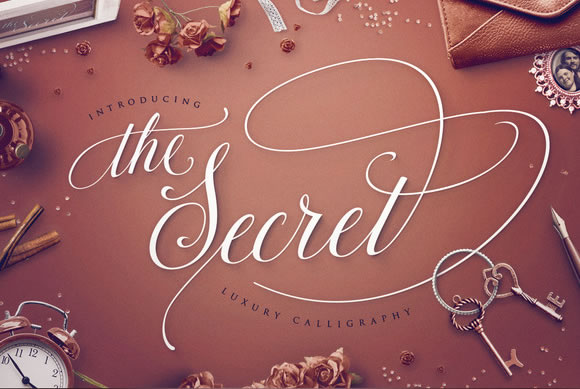
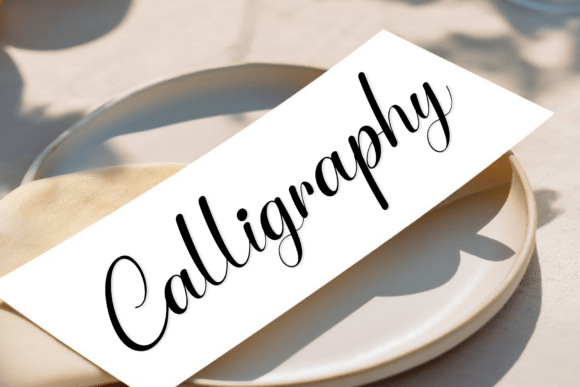
There’s a moment when you’re sketching out a brand identity—maybe for a small-batch jam company or a handmade soap line—where you need a typeface that feels both personal and polished. Something that whispers “crafted with care” without shouting over the product itself. That’s where a sophisticated script font like Calligraphy enters the picture. It’s not just another fancy script; it’s a carefully balanced design that bridges the gap between traditional calligraphic elegance and modern, approachable warmth. The sweeping, looping ascenders give it a sense of movement, like a handwritten note from an artisan who takes pride in their work. It’s the kind of font that feels customized, as if each letter was penned just for your project.
Where This Script Truly Shines
Imagine walking through a farmers' market. Your eye catches a label on a bottle of cold-pressed olive oil. The brand name flows across the front in a script that feels authentic, not overly formal. That’s the sweet spot for a font like Calligraphy. It’s a premier choice for artisanal food branding because it communicates authenticity and craftsmanship at a glance. But its utility extends far beyond the deli aisle. Think of boutique product packaging for high-end candles, skincare, or small-batch spirits. The font’s organic aesthetic lends itself perfectly to upscale lifestyle marketing, where the goal is to evoke a sense of exclusivity and personalized service. For creative editorial titles in magazines or blogs, it adds a touch of artistic flair without sacrificing legibility, drawing readers in with its rhythmic, flowing lines.
Practical Applications Across Your Projects
Let’s break down where you can put this typeface to work. If you’re a small business owner, consider it for your logo design. A well-chosen script can become the cornerstone of your brand identity, making your mark instantly recognizable. For packaging design, use it on the front panel for the product name, paired with a clean sans-serif for the details on the back. This creates a clear hierarchy that guides the customer’s eye.
Content creators and marketers will find it invaluable for social media graphics. A quote card or a promotional announcement set in a distinctive script font stops the scroll more effectively than generic text. On a website, use it sparingly for hero text or section headers to inject personality without compromising load times or readability. For blogs, it can make your post titles stand out in a crowded feed. In print materials—think business cards, letterheads, or thank-you notes—it adds a tactile, human element. Posters for local events, like a gallery opening or a workshop, gain an artistic edge. Even on merchandise like tote bags or mugs, the font’s artisanal quality elevates the perceived value of the item.
Choosing the Right Style and Pairing
Most premium script fonts, including this one, come with multiple styles. You might find alternates for certain letters, stylistic sets that change the look of specific characters, or even swashes that add decorative flourishes. Before you commit to a project, review what’s included. Test the different options in your design software. Does a simpler version work better for body text on a website? Do the swashes enhance a logo but clutter a social media graphic? Experimentation is key.
Pairing typography is where strategy meets art. A script font like Calligraphy rarely works well alone for large blocks of text. Its strength is in headlines and display use. To ensure readability and visual consistency, pair it with a highly legible companion font. A neutral sans-serif like Montserrat or Open Sans creates a beautiful contrast, letting the script’s personality pop while keeping supporting text clear. If your brand leans more traditional, a classic serif like Garamond or Baskerville can create an elegant, timeless feel. The goal is to match the typography to your project’s goals. Is it a formal wedding invitation? Pair with a refined serif. Is it a modern artisan coffee brand? A geometric sans-serif might be the perfect match.
Considering Your Audience and Readability
Always think about who will be reading your content. For a younger, digital-native audience on Instagram, a bold, expressive script might be perfect. For a brochure targeting a more conservative market, you may want to use the font more selectively, perhaps just for a pull quote or a sub-headline. Readability is non-negotiable. If the text is too ornate or the letters connect in ways that are hard to decipher, you’ve lost your message. Test your designs at the size they’ll be viewed. Print a sample of a brochure. View a web mockup on a phone screen. Does the font hold up? If not, simplify or choose a different style from the font family.
Making It Part of Your Brand Toolkit
Integrating a distinctive display font like this into your brand identity is about more than just aesthetics; it’s about communication. The right typeface can improve brand recognition—think of how quickly you recognize the script on a Coca-Cola bottle. It contributes to a professional presentation, signaling that you’ve invested thought into every detail. This, in turn, can foster greater audience engagement, as people are naturally drawn to designs that feel cohesive and intentional.
When sourcing such a font, consider it a design asset. Look for a commercial font license that fits your needs, whether it’s for a single client project, a series of products, or your own brand’s full suite of marketing assets. A quality font family will offer versatility, allowing you to adapt it across various mediums while maintaining a unified look. It’s a tool in your creative arsenal that, when used thoughtfully, can help tell your brand’s story with warmth, rhythm, and artisanal charm. The next time you’re faced with a blank canvas, consider what a font with such a defined personality can do for your message. It might just be the element that transforms a good design into a memorable one.