Planned Obsolescence: A Font with Character and Edge
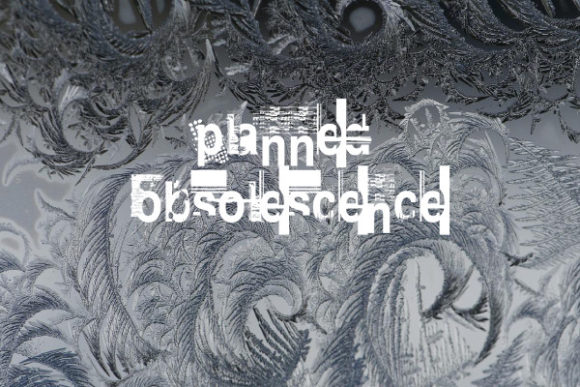
There's something undeniably compelling about a typeface that wears its personality on its sleeve. You know the feeling—you're scrolling through font libraries, and one stops you mid-scroll. That's exactly what happens with Planned Obsolescence, a decorative display font created by Vic Fieger. It doesn't whisper for your attention. It shows up with a decorated background, familiar character shapes, and a faded, lived-in aesthetic that feels both nostalgic and refreshingly different from the clean, minimal fonts dominating most design conversations.
What Makes This Typeface Stand Out from the Crowd
Most fonts you encounter in standard design toolkits play it safe. They're built for maximum legibility across every context, which is perfectly fine—until your project needs something with more texture and attitude. Planned Obsolescence occupies a very specific lane in the world of creative fonts. It's a display typeface, meaning it's designed for headlines, titles, and short bursts of text where visual impact matters more than paragraph-level readability.
The decorated background integrated into each character gives it an almost stamp-like or screen-printed quality. Think vintage concert posters, indie zine covers, or the kind of distressed lettering you'd see on a hand-painted shop sign in a arts district. The faded look adds a layer of authenticity that digital perfection often strips away. It feels handmade without being messy, stylized without being illegible.
For designers and creative professionals, this kind of visual texture is gold when used strategically. You're not going to set a 2,000-word blog post in Planned Obsolescence. But for that one hero headline on a landing page? The title treatment on a podcast cover? A bold statement on packaging? That's where this typeface earns its place in your design assets collection.
Where This Font Actually Works in Real Projects
Let's get practical. You've downloaded a premium font like Planned Obsolescence—now what? The beauty of a typeface with this much built-in character is that it does a significant amount of visual heavy lifting on its own. You don't need elaborate design compositions around it. Sometimes a single word set in this font against a clean background is enough to establish an entire mood.
Here are some contexts where this typeface genuinely shines:
- Logo design for brands that want to signal creativity, rebellion, craftsmanship, or authenticity. Think craft breweries, independent record labels, vintage clothing shops, or artisan bakeries.
- Packaging design where shelf presence matters. A product label using a decorative serif font like this can communicate handmade quality before a customer even reads the product description.
- Social media graphics that need to stop the scroll. Instagram posts, YouTube thumbnails, and Pinterest pins all benefit from bold, textured typography that breaks through the noise of generic sans serif headlines.
- Poster and flyer design for events, especially music gigs, art shows, markets, and community gatherings where the visual language needs to feel grassroots and energetic.
- Merchandise like t-shirts, tote bags, stickers, and hats. Fonts with built-in texture and distressed qualities translate beautifully to printed merchandise because they already look like they belong on physical objects.
- Invitations and editorial layouts that call for a distinctive typographic voice. Think magazine feature headers, book chapter openers, or event invitations that want to feel special and curated.
- Website hero sections and blog headers where a single impactful line of text sets the tone for everything below it.
Small business owners and entrepreneurs often underestimate how much a single strong font choice can unify their brand identity. When you use a typeface like Planned Obsolescence consistently across your marketing assets—from your Instagram stories to your product hang tags—you create a visual thread that customers start to recognize subconsciously. That's brand recognition built through typography, and it doesn't require a massive budget.
Pairing It Right and Keeping Things Readable
A display font with this much personality demands a thoughtful counterpart. This is where font pairing becomes essential. You wouldn't pair Planned Obsolescence with another decorative or script font—that's visual chaos. Instead, reach for something clean and understated for body text. A simple sans serif font or a straightforward serif font with minimal contrast handles the supporting role beautifully.
The general principle here is contrast without conflict. Your display typeface brings the energy and character. Your body text typeface brings clarity and structure. Together, they create a hierarchy that guides the reader's eye naturally from headline to supporting content.
Readability is always worth testing before committing. Set your headline in Planned Obsolescence, then view it at the actual size it'll appear in your project. Check it on mobile screens if it's going on a website. Print a test proof if it's for packaging or print materials. The faded, textured quality that makes this font so visually interesting can reduce legibility at very small sizes or on low-contrast backgrounds, so adjust your color choices and sizing accordingly.
Most premium font packages include multiple styles or weights, so review everything that comes with your download. Some versions might work better at larger sizes while others are optimized for slightly smaller applications. Having options within the same typeface family gives you flexibility without sacrificing visual consistency across a project.
Licensing and the Business Side of Font Selection
This part matters more than most people realize, especially if you're using a font for commercial purposes. If you're a freelancer designing for clients, a small business owner creating your own marketing materials, or an entrepreneur building a product line, you need to confirm that your font license covers commercial use. Most premium fonts from reputable foundries and marketplaces include clear licensing terms, but it's your responsibility to read them.
Some licenses cover desktop use only. Others extend to web fonts, app embedding, and merchandise production. If you plan to put Planned Obsolescence on products you sell—t-shirts, mugs, printed goods—verify that the license permits that specific use. Spending five minutes reading the license agreement now saves you from potential legal headaches down the road.
It's also worth noting that investing in properly licensed fonts signals professionalism. Clients and customers may not consciously notice the difference between a licensed premium font and a free alternative pulled from a sketchy download site, but the quality difference is real. Premium fonts are kerned properly, include complete character sets, and are tested across platforms. That reliability shows up in your final output, even if no one can pinpoint exactly why your designs look more polished.
Making Typography Decisions That Actually Serve Your Goals
Choosing a font isn't just about what looks cool in a preview. It's about whether that typeface communicates the right message for your specific audience and project. Planned Obsolescence works brilliantly when your goal is to convey creativity, edge, craftsmanship, or a slightly retro sensibility. It would feel out of place on a corporate financial report or a medical clinic's website—and that's perfectly fine. No single typeface works everywhere.
The best typography decisions happen when you start with your project goals and audience expectations, then find a font that aligns with those parameters. Ask yourself what emotion you want your headline to evoke. Consider what your target audience associates with different visual styles. Test your font choices in context rather than in isolation, because a typeface that looks stunning in a font specimen sheet might feel completely different when surrounded by your actual content, colors, and imagery.
Modern typography gives us an incredible range of options, from minimal sans serif families to expressive display fonts like this one. The skill isn't in finding the most beautiful font—it's in choosing the right tool for the job and using it with intention. When a typeface like Planned Obsolescence fits your project's personality, it becomes more than a design element. It becomes part of your visual story.