Tokyo: The Display Font That Commands Attention
Sometimes a design needs a voice that doesn't just whisper—it needs to speak with clarity and confidence. You’re working on a project where the typography has to do more than just sit there; it needs to make a statement. This is where a typeface like Tokyo enters the conversation. It’s not just another set of letters; it’s a design tool built for impact, combining clean lines with a bold presence that can instantly define the visual character of your work.
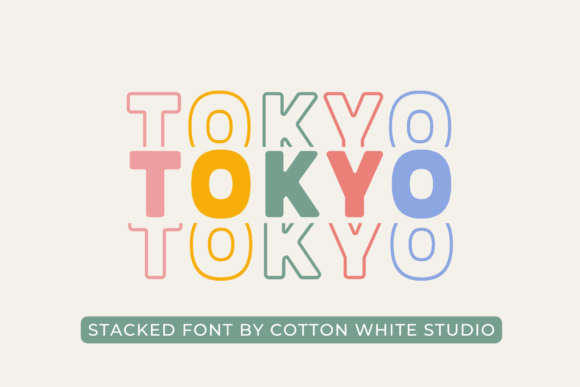
Tokyo is a display typeface that thrives in the spotlight. Its design philosophy is rooted in minimalism, stripping away unnecessary flourishes to focus on strong, geometric forms. Each character is crafted with precision, resulting in a font that feels both modern and timeless. The bold weight isn’t just about being thick; it’s about creating a solid, unwavering foundation for your words. This gives it a unique “glowing” quality—not literally luminous, but a sense of crispness and authority that makes text pop off the screen or page. It’s a font that understands the power of a first impression.
Where Does a Font Like Tokyo Shine?
The real value of a premium font is in its application. Tokyo’s personality makes it exceptionally versatile for projects that need to stand out. Think about the first thing people see: your logo or brand name. A typeface with this much inherent structure and confidence can become the cornerstone of a strong brand identity, making your business look established and serious from day one. It’s the kind of font that doesn’t need a lot of help to look professional.
Beyond logos, consider the fast-paced world of social media. In a feed full of competing content, a bold, clean headline in Tokyo can stop the scroll. It ensures your message on Instagram graphics, YouTube thumbnails, or Pinterest pins is legible and memorable, even at a glance. For packaging design, it communicates quality and modernity, helping your product stand out on a crowded shelf. Imagine a minimalist coffee bag or a sleek tech gadget box—the font’s clean lines complement products that value clarity and sophistication.
Its applications extend into the digital and physical realms with equal ease. Website headers set in Tokyo can establish a strong visual hierarchy, guiding visitors through your content. Blog titles become more engaging, and call-to-action buttons feel more decisive. In print, it’s perfect for event posters, business cards, and presentation slides that need to hold an audience’s attention. Even for personal projects like wedding invitations or craft merchandise, adding this font can elevate the design from homemade to professionally polished.
Practical Considerations for Your Creative Toolkit
Choosing a font is a practical decision, not just an aesthetic one. When you’re evaluating a typeface like Tokyo, think about your specific project goals. Its bold style is fantastic for short, impactful text—headlines, titles, and logos. It’s less suited for long paragraphs of body copy, where a simpler sans serif or serif font would be easier to read. This is where understanding font pairing becomes crucial. Tokyo pairs beautifully with cleaner, more neutral fonts for body text, creating a balanced and professional layout.
Before committing, always test the font in context. Place it next to your color palette, imagery, and other design elements. Does it maintain its readability on different backgrounds? Does its personality align with the voice of your brand? A font that feels energetic for a fitness brand might feel out of place for a luxury spa. Review the full character set and any included font styles—does it have the punctuation and symbols you need for your language or special characters?
For anyone planning to use a font for commercial work, licensing is a non-negotiable step. A commercial font license is a legal requirement that grants you the right to use the typeface in projects that generate revenue, whether it’s a client’s logo, merchandise for sale, or marketing materials. Always verify the license terms to ensure they cover your intended use, whether for a single project or across your entire business. This protects you legally and supports the designers who create these valuable assets.
In the end, a font is more than a design asset; it’s a piece of visual communication. Tokyo offers a specific kind of voice: one of clarity, confidence, and modern appeal. It won’t be the right fit for every project, but for the ones that need to make a bold, clear statement, it’s a tool that can truly define the look and feel of your work, helping you build recognition and connect with your audience more effectively.