Macaron: A Bold Retro Font for Modern Brands
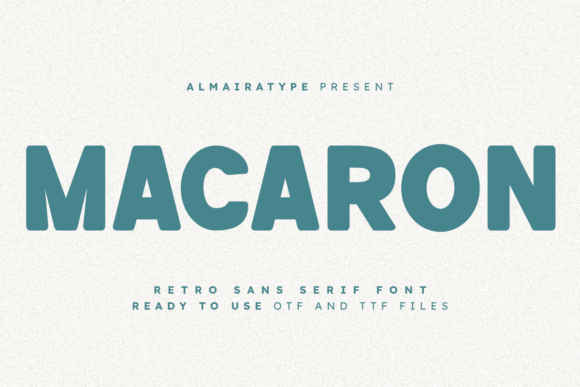
Sometimes a font lands on your desk and it just feels like a party. It doesn't scream for attention with jagged edges or aggressive angles; instead, it rolls in with a confident, heavy bounce and a smile. That is the immediate impression left by the Macaron typeface. It is a bold retro sans serif font that feels less like a digital file and more like a nostalgic memory of a sunny afternoon. Designed to capture the playful warmth and eye-catching aesthetic of vintage display typography, specifically channeling the geometric vibes of the 70s and 80s, this typeface is quickly becoming a favorite for creatives who want to inject personality into their work without sacrificing professionalism.
For graphic designers, independent clothing brand owners, and Print on Demand entrepreneurs, the search for a font that balances "fun" with "functional" is never-ending. You need something that grabs a customer's eye on a crowded marketplace, but you also need it to be legible enough to convey your message clearly. Macaron strikes that balance beautifully. It isn't just a decorative element; it is a tool designed for conversion. Whether you are establishing a brand identity for a new coffee shop or designing a line of trendy t-shirts, this font brings a solid, grounded presence that says, "We are friendly, but we mean business."
The Anatomy of a Friendly Giant
What makes a font like Macaron work so well in modern contexts? It comes down to the structural alignment. While the inspiration is clearly retro, the construction is strictly modern. The font features a perfectly balanced heavy weight. This isn't a flimsy, thin typeface that gets lost on a screen or a printed page. It has mass. The "soft-curved profiles" are the secret ingredient here. Unlike aggressive industrial sans serifs that use sharp corners, Macaron utilizes rounded edges that soften the impact of the heavy weight. This creates a visual contrast that is incredibly appealing to the eye—it feels sturdy but safe, bold but approachable.
For anyone involved in logo design, these characteristics are gold. A logo needs to be versatile. It needs to look good on a business card, but it also needs to work embroidered on a polo shirt or screen-printed on a hoodie. The solid geometric structure of Macaron ensures that it holds up across different mediums. It doesn't have ultra-thin lines that might disappear in a small print run, nor does it have overly complex details that turn into a blob of ink when scaled down. It is, for all intents and purposes, a workhorse display font dressed in a vintage tuxedo.
Practical Applications: From Packaging to POD
Let's talk about real-world usage. If you are running a small business, your typography choices dictate how customers perceive your product. If you are selling artisanal baked goods, you want that packaging to feel warm and homemade. If you are selling streetwear, you want the font to feel bold and confident. Macaron adapts to these scenarios seamlessly.
Consider the world of Print on Demand. This industry relies heavily on social media graphics and mockups to sell products before they are even printed. A font like Macaron is a powerhouse for creating high-impact headers and t-shirt designs. Because it has a "vintage" vibe, it taps into the current trend of retro-nostalgia that dominates fashion and home decor markets. It works exceptionally well for quotes, slogans, and headline text on merchandise.
But the utility goes beyond clothing. Think about packaging design. If you are labeling jars of homemade jam, boxes of organic soap, or even custom stickers for a planner business, the heavy weight of the font ensures the product name is readable from a distance. This is crucial for shelf appeal. In the digital space, it serves as an excellent anchor for website hero sections or blog post titles, helping to establish a distinct visual voice that keeps readers engaged.
The Technical Edge for Crafters and Designers
Aesthetics are subjective, but technical reliability is non-negotiable. One of the standout features of Macaron is its engineering. It is built with ultra-clean vector outlines. For the uninitiated, this might sound like jargon, but for anyone who uses a cutting machine, it is the difference between a relaxing afternoon and a frustrating headache.
If you use a Cricut or Silhouette plotter, you know the pain of "weeding" a design. Weeding is the process of removing the excess vinyl from around your cut letters. Fonts with jagged nodes, tiny loops, or overly complex paths can cause the blade to snag or make the weeding process take hours. Macaron was designed with this in mind. Its clean paths translate to smooth cuts and effortless weeding. This makes it an exceptional choice for custom apparel creators and passionate crafters making personalized stickers, mugs, and DIY items. You spend less time picking at vinyl with a weeding hook and more time admiring your finished product.
Font Pairing and Brand Strategy
No font is an island. To create a truly professional brand identity, you need to know how to pair your display font with a secondary typeface. Because Macaron is a bold, heavy, and rounded sans serif font, it naturally pairs well with simpler, more neutral typefaces.
A common mistake in graphic design is pairing two loud fonts together. If you try to pair Macaron with a heavy script font or a complex handwritten font, the result will be visual chaos. Instead, look for a clean, geometric sans serif or a simple serif font for your body text. Think of a font like Helvetica, Arial, or a simple Garamond for the paragraphs. This allows Macaron to do its job—grabbing attention in headlines—while the secondary font handles the heavy lifting of long-form readability.
When building your visual assets, consistency is key. Using Macaron across your headers, sub-headers, and call-to-action buttons creates a cohesive look that builds trust with your audience. It tells them that you have a defined style. This is particularly important for editorial design and marketing assets. When a customer sees your Instagram post, then visits your website, and finally receives your product in the mail, the typography should feel familiar. That familiarity breeds brand recognition.
Maximizing Impact in Your Creative Projects
To get the most out of a typeface like this, you have to think about context. It is a display font, meaning it is designed to be used at larger sizes. Using it for a 10-point paragraph of legal text on the back of a contract would be a mistake; the heavy weight would make dense text difficult to read. However, using it for a poster headline, a t-shirt graphic, or a header on a digital product landing page? That is where it shines.
Here are a few specific ways to leverage the Macaron typeface in your next project:
- Invitations and Stationery: Its friendly, retro vibe is perfect for party invitations, wedding save-the-dates, or greeting cards. It instantly sets a cheerful mood.
- Web Design: Use it for H1 and H2 tags on your website. It adds personality to the user interface without compromising the structural integrity of the layout.
- Social Media Headers: On platforms like Instagram or Pinterest, you have seconds to make an impression. The heavy weight of Macaron ensures your message is seen even on small mobile screens.
- Product Packaging: If you are selling DIY items or food products, the "friendly" nature of the curves makes the brand feel more approachable and artisanal.
Ultimately, the goal of any design asset is to facilitate communication. Macaron does this by removing barriers. It doesn't make the viewer work to read the text; it invites them in. It channels the nostalgia of the 70s and 80s but applies it with the precision of modern typography. For the creative entrepreneur or the small business owner