Cookie Alphabet: Baking Warmth Into Your Brand's Visual Voice
There’s something universally comforting about the smell of freshly baked cookies, a feeling of warmth, care, and a touch of homemade magic. Now, imagine translating that very sensation into your typography. This is the essence of Cookie Alphabet, a display font that doesn't just spell out words—it serves them with a side of cozy charm. It’s a typeface built for projects that need to feel approachable, genuine, and full of personality, moving far beyond cold, corporate precision to create an immediate emotional connection.
A Typeface with a Hand-Baked Soul
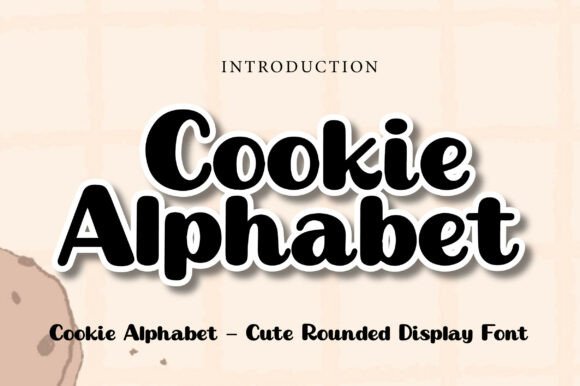
At its core, Cookie Alphabet is a cute rounded display font defined by its ultra-thick, soft-edged letterforms. Each character feels like it was shaped by hand, with slight irregularities in its proportions that prevent it from feeling sterile or mass-produced. This isn't a font of perfect, geometric circles; it has a "fresh-baked" soul, where the slight imperfections and heavy weight create a satisfying, tactile quality. The rhythm is friendly and inviting, making it an excellent choice for any project where the goal is to communicate warmth, comfort, and artisanal care.
Think of it as the typographic equivalent of a handwritten recipe card or the welcoming sign at a beloved local bakery. Its visual personality is inherently cheerful and nurturing, which is why it resonates so strongly in specific creative contexts. For designers and business owners, understanding this personality is the first step to using it effectively.
Where Sweet Design Meets Practical Application
The true value of a premium font like this lies in its application. Cookie Alphabet isn't a one-trick pony, but its strengths are perfectly aligned with projects that prioritize charm over formality. Here’s where it truly shines:
- Artisanal Branding & Packaging: This is its natural habitat. Use it for the logo and packaging design of a small-batch cookie company, a local coffee roaster, or a homemade jam brand. It instantly communicates the handmade, high-quality nature of the product. Pair it with a simple sans serif font for body text to maintain readability while letting the display font capture the essence of the brand.
- Children's & Family-Focused Projects: The rounded, friendly forms are perfect for nursery branding, children's book titles, educational app interfaces, or birthday party invitations. It’s legible, engaging, and feels safe and playful, making it a hit with both kids and parents.
- Digital & Social Media Presence: In the crowded space of social media, a distinctive display font helps you stand out. Use Cookie Alphabet for Instagram story highlights, YouTube thumbnail titles, or blog headers for a "home-café" or DIY craft channel. It adds a personal touch that can significantly boost audience engagement and make your content feel more relatable.
- Print & Editorial Design: While not for long body copy, it’s fantastic for pull quotes, chapter headings in a cookbook, or the title of a magazine feature on cozy living. In editorial design, it can break up the monotony of standard serif and sans serif text, adding a moment of visual delight.
- Specialty Merchandise & Marketing Assets: Imagine this font on a tote bag for a bakery, a mug for a coffee shop, or a poster for a community bake sale. For marketing, it works beautifully on flyers, discount coupons, and email newsletter headers where a friendly, promotional tone is needed.
Pairing for Harmony and Readability
A common question with any creative font is how to pair it. Cookie Alphabet’s thick, characterful forms mean it should be used sparingly—as a headline or accent font. To maintain a professional presentation and ensure readability, you need a complementary partner.
For most projects, a clean, neutral sans serif font is your safest and most effective bet. Fonts like Lato, Open Sans, or Montserrat provide a quiet, stable backdrop that lets Cookie Alphabet’s personality take center stage without creating visual chaos. If your project has a slightly more traditional or rustic feel, a simple, sturdy serif font like Merriweather or Lora can also work well, creating a contrast between the playful headline and the classic body text.
Avoid pairing it with other highly stylized script fonts or handwritten fonts, as this can quickly lead to a cluttered, illegible design. The goal is contrast and balance, not competition. Always test your pairings by setting a few lines of text together to see if they create a harmonious visual hierarchy.
Integrating Cookie Alphabet into Your Brand Identity
Choosing a font is a key part of building a brand identity. When you select Cookie Alphabet, you’re making a statement about your brand’s values: warmth, approachability, craftsmanship, and a touch of nostalgia. This consistency across your logo, website, packaging, and social media graphics builds strong brand recognition.
However, practical considerations are crucial. Always review the full character set of the typeface you purchase. Does it include the numerals and punctuation you need? Are there multiple weights or styles (like bold or italic) included? Furthermore, pay close attention to the commercial licensing. If you’re using it for a client project, merchandise for sale, or a commercial website, you need to ensure you have the correct license. Most reputable font foundries and marketplaces are very clear about this—using a font beyond its license is a common pitfall for small businesses and creators.
Ultimately, Cookie Alphabet is more than just a collection of letters; it’s a tool for visual storytelling. It’s the right choice when your project needs to feel less like a corporate announcement and more like a heartfelt invitation. By using it thoughtfully and pairing it wisely, you can bake a consistent, memorable, and genuinely charming visual identity that resonates deeply with your audience.