Art Deco Monogram: A Typeface for Timeless Branding
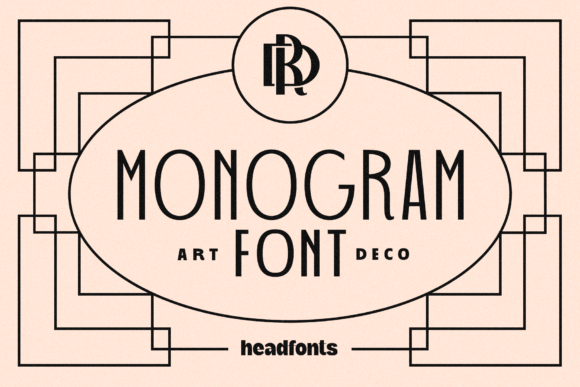
There's a particular kind of elegance that never feels dated. It's the geometric precision of a gilded mirror frame, the confident symmetry of a 1920s theater facade, the quiet luxury of monogrammed stationery. Capturing that aesthetic in a digital project often feels like chasing a ghost—until you find the right letterforms. Art Deco Monogram is a modern display font built on those very principles, offering a bridge between historical glamour and contemporary design needs.
Understanding Its Visual Language
At its core, Art Deco Monogram is a display typeface, meaning it's crafted for impact at larger sizes rather than for body text. Its DNA is drawn from the Art Deco movement, characterized by strong geometric shapes, clean lines, and a sense of structured ornamentation. The letters often feature symmetrical curves, sharp angles, and consistent stroke widths, creating a feeling of balance and sophistication. This isn't a casual script or a neutral sans serif; it's a statement piece. The font family typically includes a range of glyphs and stylistic swashes, allowing for significant customization. Because it is PUA encoded, accessing these special characters is straightforward in most design software, letting you add flourishes or alternate letterforms without hassle.
Practical Applications for Modern Creators
The true value of a font like this lies in its versatility across projects. For branding and logo design, it can instantly convey a sense of heritage, luxury, or retro-modern appeal. Imagine a boutique hotel, a high-end cosmetics line, or a specialty cocktail bar using it as their primary wordmark. The inherent structure of the letters makes them highly legible even when used creatively, ensuring the brand name is both beautiful and memorable.
In packaging design, Art Deco Monogram can elevate a product on a shelf. Think of artisanal chocolate boxes, premium tea tins, or vinyl record sleeves where the typography itself becomes part of the unboxing experience. For social media graphics, it helps posts stand out in a crowded feed, especially for announcements, quotes, or promotional banners that aim for a polished, professional look. It translates well to websites and blogs, particularly for headers, hero sections, and featured titles, adding a layer of visual interest that standard web fonts might lack.
Beyond digital, its strength shines in print materials like business cards, letterheads, and invitations. A wedding suite or gala invitation set in this typeface immediately sets a formal, elegant tone. Poster design and editorial layouts also benefit from its commanding presence, drawing the eye to key headlines. For merchandise—t-shirts, tote bags, mugs—the font can create iconic, sellable designs. Even digital products like e-book covers, online course graphics, and marketing assets gain a professional edge.
Integrating Into Your Design Workflow
Choosing a font is just the first step. The next is ensuring it works within your broader visual system. Here are some practical considerations:
- Pairing with Other Fonts: A display font like Art Deco Monogram needs companions. It pairs beautifully with a clean, simple sans serif font for body text or a subtle serif font for a more traditional feel. The key is contrast—let the monogram font be the star while supporting fonts provide readability.
- Testing for Readability: Always test your chosen font at the actual size it will appear. A header that looks stunning in a mockup might become illegible when scaled down for a mobile screen or a small product label. Use the stylistic alternates wisely; sometimes the simplest version of a letter is the most effective.
- Matching to Project Goals: Ask yourself what emotion or idea you need to communicate. Is it timeless luxury? Art Deco Monogram fits perfectly. Is it playful and modern? You might use it sparingly as an accent. Aligning the font's personality with your project's voice is crucial for coherent visual communication.
- Licensing and Usage: If you're using the font for commercial work—client projects, products for sale, or monetized content—ensure you have the correct commercial license. Most premium fonts come with clear guidelines, so review them to avoid issues down the line.
Ultimately, a typeface is a tool. Art Deco Monogram is a specialized tool designed to inject a specific, powerful aesthetic into your work. It won't be the right fit for every project, but when the brief calls for sophistication, structure, and a touch of historical grandeur, it can become the cornerstone of a truly distinctive design. The best way to know if it's right for you is to download it, experiment with the glyphs, and see how its geometric elegance can transform your next creative endeavor.